
How Long Should a Carpet Last?
A bedroom carpet can last fifteen years or more while the same carpet on a staircase may be worn within five. Fibre, traffic, underlay and fitting decide it.
A good quality carpet in a bedroom will often still look well after fifteen years. The same carpet on a busy staircase might be visibly worn in five. Lifespan is not a property of the carpet alone, it is the carpet, the traffic it takes, the underlay beneath it and the quality of the fit.
Which is why two houses can buy the identical carpet on the same day and reach completely different conclusions about it.
What Actually Wears Out
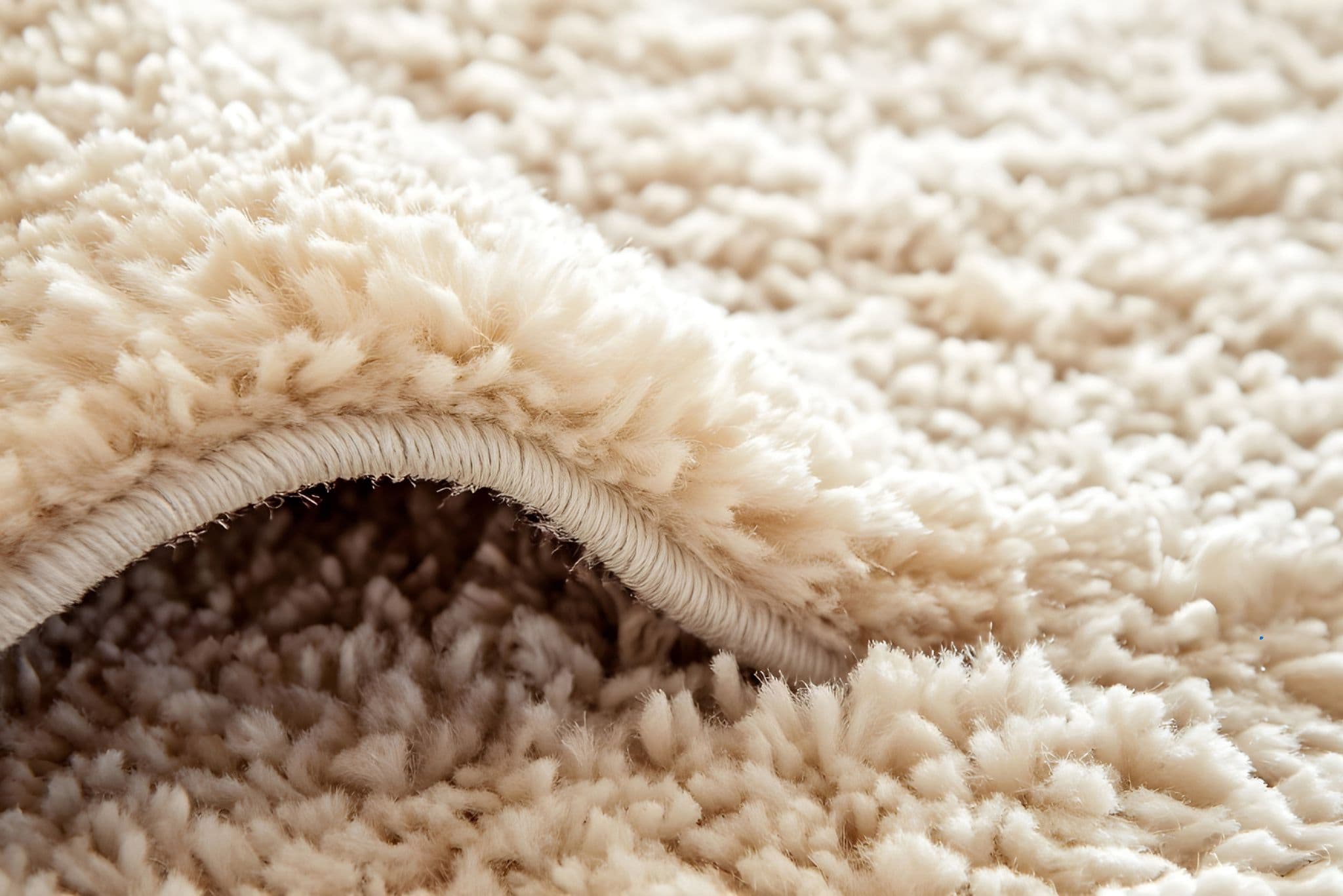
Carpet rarely wears through. What happens first is that the pile loses its spring, so it no longer stands up and the surface looks flat and dull along the routes people walk.
Most of that damage is caused by grit. Fine particles walked in from outside work down into the pile and cut at the fibres from below every time someone stands on them, which is why regular vacuuming extends a carpet life far more than most people expect.
Typical Lifespans by Room
As a rough guide, assuming reasonable quality and sensible care:
- Spare bedroom: fifteen to twenty years
- Main bedroom: twelve to fifteen years
- Living room: eight to twelve years
- Hallway and landing: five to ten years
- Stairs: five to eight years
Stairs are hardest on a carpet because the wear concentrates on the nosing, the front edge of each tread, rather than spreading across a surface.
The Signs It Is Time
Flattened traffic lines that no longer lift after vacuuming are the clearest sign the pile has gone. Matting or tufts pulling loose at the stair nosings is another, and so is a carpet that has started to ripple despite having been stretched properly when new.
Smell is the one people put off dealing with. A carpet that still smells after a professional clean has usually taken something into the backing or the underlay, and at that point replacing it is the honest answer.
What Makes a Carpet Last Longer
Underlay does more for longevity than almost anything else. It absorbs the impact of every footfall so the carpet backing does not take it, and a quality underlay under a mid range carpet will usually outlast an expensive carpet laid on a worn out one.
Beyond that: vacuum regularly, put a mat at every outside door to catch grit before it arrives, move furniture a little now and then so the compression is not always in the same place, and deal with spills while they are still on the surface. Our guide to goes into what each fibre type handles best.
When a Repair Is Enough
A single damaged area can often be patched from an offcut, which is one good reason to keep any spare pieces after fitting. Stair carpet can sometimes be lifted and moved up or down slightly so the worn nosings fall in a new place.
Repairs make sense where the rest of the carpet still has life in it. Where the pile has gone across the whole floor, a repair simply puts a fresh patch next to a tired one and makes the tiredness more obvious.